Alzheimer's disease
Alzheimer's disease is characterized by a decline in brain function, which affects the ability to think and perform day-to-day activities. The person with this condition can also suffer an alteration in personality. This is due to the build-up of amyloid plaques and tau tangles, which cause brain cell death and atrophy.
Symptoms
What To Expect
Currently, there is no cure for Alzheimer's disease, but there are some treatments that can aid in the day-to-day life of someone with Alzheimer's. Cholinesterase inhibitors and memantine, which help improve cognitive symptoms, are available. Non-pharmaceutical options include cognitive stimulation and herbs such as Ginkgo biloba, Sage, and Ashwagandha.
Made Worse By
Certain factors can contribute to the worsening of the disease. Examples are age over 65, genetic factors such as genetic mutations, cardiovascular health problems such as hypertension, cholesterol, and diabetes, untreated stress, lack of sleep or sleep apnea, social isolation, and sedentarism.
How Common
Alzheimer's is the most common cause of dementia, affecting millions of people worldwide. It is estimated that over 6 million Americans aged 65 and older are living with Alzheimer's disease.
Diagnosed By
Doctors diagnose the condition based on current symptoms, physical examination, medical and family history, cognitive testing (language skills, memory tests), neurological exams (reflexes, coordination, and balance), and brain imagining (MRI or CT scans) or biomarkers (PET scans or cerebrospinal fluid tests).
Caution Being a caregiver to someone with Alzheimer's can be emotionally challenging. Caregivers can improve their quality of life by using respite care, support groups, and family and friends help. People with Alzheimer's disease are more likely to wander, get lost, or have accidents. Having someone available to watch them most of the day is essential.
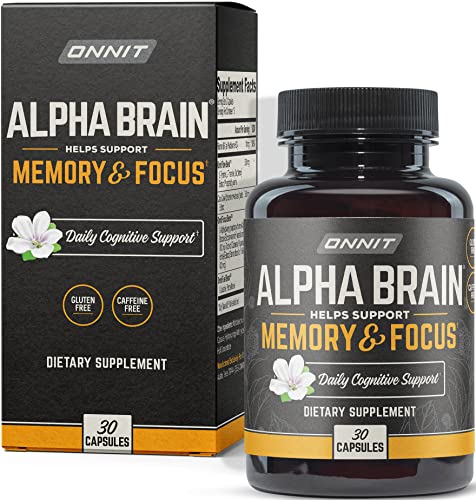
Products that may help Alzheimer's disease


References
- Mayo Clinic Staff (2024). Alzheimer’s Disease. Mayo Clinic. https://www.mayoclinic.org/diseases-conditions/alzheimers-disease/symptoms-causes/syc-20350447